| Back to Back Issues Page |
 |
|
Vegetable Gardening Hints, October 2026 October 01, 2026 |
Hello, October in the Vegetable Garden How to Store Your Root Vegetables for WinterHello fellow gardeners, October is the month when the garden begins to slow down, but there is still plenty of work to do. If you’ve grown carrots, beets, turnips, potatoes, onions, or other root vegetables, now is the time to think about how you’re going to store that harvest. There’s nothing quite like heading into winter knowing you have homegrown vegetables tucked away and ready to use! The good news is that you don’t need a fancy root cellar to store many vegetables successfully. With the right temperature, humidity, and a little preparation, you can keep much of your harvest for months.
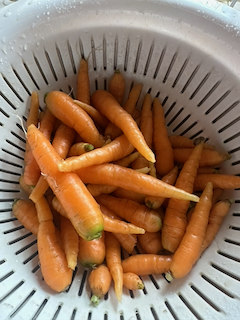
Start With Healthy VegetablesThe first rule of storing vegetables is simple:Only store your best vegetables for long-term storage. Look for vegetables that are firm and free from cuts, bruises, soft spots, disease, or insect damage. Even a small damaged area can become a problem during storage and spread to other vegetables. Use damaged or imperfect vegetables first—or preserve them by freezing, canning, dehydrating, or cooking. CarrotsCarrots are excellent storage vegetables.Before storing them, remove the green tops. The tops draw moisture from the roots and can cause your carrots to become limp. Don’t wash carrots before long-term storage. Instead, gently brush off excess soil. Carrots prefer cold and humid conditions. A box or container filled with slightly damp sand, sawdust, or another suitable storage medium can help keep them from drying out. Check them occasionally and remove any carrots that are beginning to deteriorate.
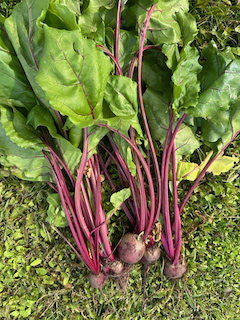
BeetsBeets are another excellent vegetable for winter storage.Remove the leaves, leaving about an inch of stem attached. Don’t cut into the actual beet, as this can encourage moisture loss. Like carrots, beets prefer cold, humid storage. If you have a cool basement, cold storage area, or suitable root cellar, beets can last for several months when stored properly. And don’t throw away those beet greens! Young, healthy beet greens can be cooked fresh or frozen for later use.
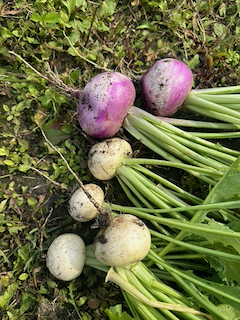
Turnips and RutabagasTurnips and rutabagas can also be stored through much of the winter.Remove the leafy tops and brush off excess soil. Keep them cold and humid to prevent them from becoming soft and woody. A storage container with slightly damp sand can work well. One advantage of these vegetables is that they can be used in so many ways—roasted, mashed, added to soups and stews, or cooked alongside other root vegetables.
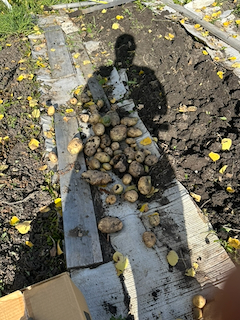
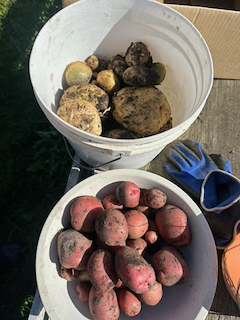
PotatoesPotatoes need slightly different conditions.After harvesting, allow them to cure in a dark, cool, well-ventilated area for a period of time. This allows the skins to toughen and helps prepare them for storage. Never store potatoes in direct light. Light can cause them to turn green. Store them somewhere cool, dark, and well ventilated, and check them regularly. And remember: one rotten potato really can spoil the bunch!
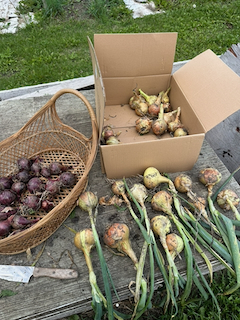
Don’t Forget the OnionsOnions are another vegetable that can be stored for months if properly prepared.Before storing, onions need to cure until the outer skin is dry and papery and the neck has dried down. Once cured, store onions somewhere cool, dry, and well ventilated. Unlike carrots and beets, onions don’t want a humid storage environment. This is an important point to remember: Different vegetables have different storage needs.
Your Simple Root Vegetable Storage Guide🥕 Carrots Cold + humid❤️ Beets Cold + humid 🌱 Turnips Cold + humid 🥔 Potatoes Cool + dark + well ventilated 🧅 Onions Cool + dry + well ventilated No Root Cellar? No Problem!Many gardeners assume they need a traditional root cellar to store vegetables. You don’t necessarily need one.A cool basement, cold room, insulated garage, or other suitable space may work, depending on your climate and how cold the area gets. You can also use smaller containers and store vegetables in manageable batches rather than trying to store your entire harvest in one place. The key is to understand what each vegetable needs. Cold doesn’t automatically mean good storage. Humidity matters too. Featured ArticlesStorage TipsFall Vegetable Gardening Back Issues for Vegetable Gardening Hints A Little Garden WisdomOne of the best things about growing your own vegetables isn’t just the harvest.It’s knowing that the food sitting in your kitchen or storage area came from a seed you planted months ago. The garden may be winding down, but your harvest doesn’t have to. With a little preparation, you can enjoy the rewards of your vegetable garden well into winter. Happy gardening, and happy harvesting! Catherine Your Vegetable Gardening Helper For videos Subscribe to my NEW youtube channel:Your Veggie Helper YoutubeNew to gardening? Design Plans to get started:Vegetable Garden Plans for your Rasised BedsVegetable Garden Plans for Square foot Gardens Vegetable Garden Plans for Row Gardening Share with a gardening friendGet everyone growing a few of their own veggies. Forward this FREE newsletter to a friend.Happy gardening! Catherine |
| Back to Back Issues Page |