Vegetable Crop Rotation
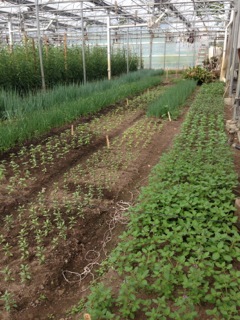
Vegetable crop rotation is as simple as planting your vegetables in a different spot each year. They say a change is as good as a rest and this definitely applies to your vegetable garden.
Vegetables can use various different amounts of nutrients to grow to maturity. It is important not to deplete the nutrients in your soil and rotating vegetables can help with this.
Some vegetable plants such as peas and beans can add nitrogen back into your garden soil so they are a big part of the rotation plan.
Another benefit of moving your vegetable plants each year is to prevent or at least cut down on pests, insects and disease.
Vegetables will attract different pests, insects and disease so by moving them each year you can keep your soil and plants healthier and your garden free of pests.
The crop rotation process for a small garden:
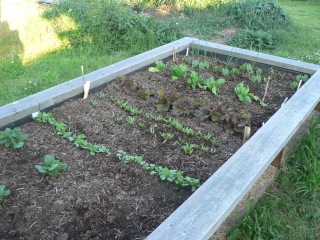
There are some complicated vegetable rotations and some easier to follow processes. I find for a small backyard garden it is easiest to divide your garden into 4 areas then plant certain groups of vegetables into each of those areas.
You then move that group of vegetables to a new area the next year. This way each vegetable group is not grown in the same area until year five.
The best way I know of keeping track of what you are growing and where is to keep a journal or spreadsheet of what grew each season. This way when spring rolls around you remember where you planted certain veggies last year.
Planning your garden 4 or 5 years in advance seems like a lot of work, but is so worth it in the long run. Start with what you love to eat and plan on paper where you will grow the veggies.
Nothing is carved in stone, you can change your vision however a rotation plan is one of the first steps to having health soil and happy vegetable plants.
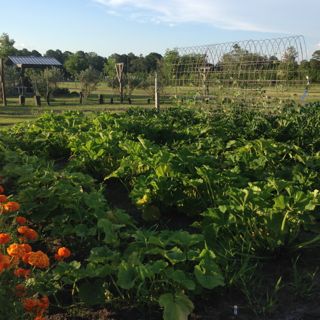
This is how I divide by backyard garden for best crop rotation:
- Brassicas - broccoli, cauliflower, brussel sprouts, kale
- Heat loving veggies - tomato, cucumber, peppers, eggplants, basil
- Root crops - carrots, potatoes, beets
- Other crops - lettuce, peas, beans, chard, oriental greens
When growing on a large scale mono vegetable garden it is even more important to use crop rotation. Find other vegetables that you can grow and sell, or at the least grow green manure crops to keep adding nutrients and organic matter to your soil.
I prefer to grow, buy and eat organic produce so rotating your garden beds is essential in the organic model.
Return from Crop Rotation to Vegetable Gardening Tips
Recent Articles


-
Organic Gardening soil amendments - List of material?
Aug 09, 25 10:57 AM
 What materials are best used as organic gardening soil amendments?
 -
Tips for disease control in your vegetable garden
Jul 14, 25 11:15 AM
Easy tips for disease control to keep your vegetable growing its best. -
Joy of vegetable Gardening
Jul 14, 25 11:01 AM
Everything you need to know is right here to have Joy of Vegetable Gardening