Mulch
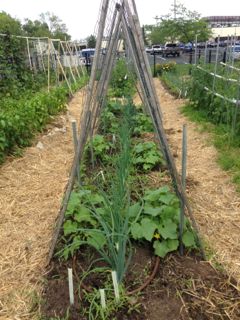
Mulch is any substance laid over the soil to help plant growth, mainly by suppressing weeds. Apply when your vegetable plants are approximately 4 inches high and your garden soil has warmed up.
Cover the soil completely leaving the base of the plant stem clear. Some materials will decompose quicker than others so lay a fresh layer during the season when needed.
Mulching Tip #1
Collect and use materials that you have on hand. If you live in a tree lined street or have lots of trees in your yard, make sure you take the time to collect the leaves.
Shredding them is the best, put them in a garbage can and use the weedwacker to shred them.
Some common mulch materials to use are:
- Non organic materials
- Crushed rock
- Black plastic
- Landscape fabric
- Organic Materials
- Layers of newspaper
- Grass clippings
- Straw
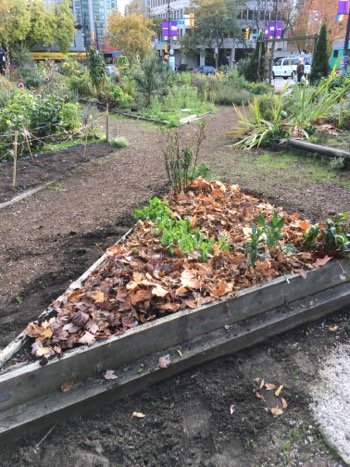
- Leaves
- Animal manure
- Compost
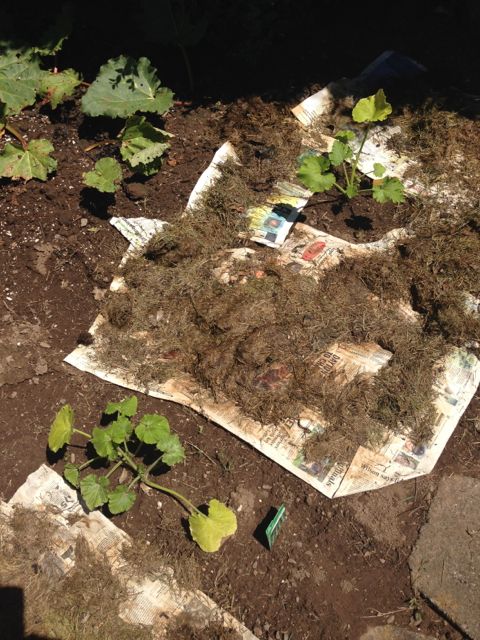
The Benefits to mulching:
- Reduces evaporation, soil stays moist longer.
- Keeps soil temperature cooler and more stable.
- Suppresses weed growth.
- Provides a clean, dryer surface so sprawling vegetables are off the bare ground, for example squash.
- Organic material decompose adding organic matter to the soil.
- With the soil covered the darkness promotes a haven for earthworms.
- It will keep the soil cooler in the summer which will be a benefit for cool season vegetables.
- Using black plastic can speed up the soil temperature in the spring. After your soil preparation lay the plastic. Secure by burying the edges with the soil or placing rocks or wood on top. Cut small holes where you will sow your vegetable seeds or transplants. The black plastic will also suppress weeds. Clear plastic will also warm the soil however weeds will grow under it because they will get the sunlight.
The problems mulching can cause:
- If applied too thick it can restrict the passage of water.
- Keeps the soil temperature too low which will affect the growth of warm season vegetables.
- Can promote fungus and disease.
- Can encourage pests like slugs or mice.
- Some types can cause a nitrogen deficiency, one example is sawdust.
Mulching Tip #2
Some root vegetables can be left in your garden beds over winter.
Protect them from the elements by covering the plant with several inches of mulch such as straw, soil or even snow will keep the vegetables from freezing.
Mulching can be beneficial as well as detrimental, so be clear on why you want to use it, then make sure you apply the correct material and amount. Find more about planting a vegetable garden.
Return from Mulch to Vegetable Gardening Tips
Recent Articles


-
Free July Vegetable Garden Checklist
Jun 30, 25 05:24 PM
July Vegetable Garden Checklist: July is a turning point in your garden. Here is my free downloable July Garden To - Do List -
Vegetable Gardening Frustrations: Lessons for a Better Harvest
Oct 29, 24 07:37 PM
Every vegetable gardener knows that while the rewards are sweet, the vegetable gardening frustrations can be a bit bitter. -
Small Space Vegetable Gardening
Sep 23, 24 05:06 PM
 Small Space Vegetable Gardening - Tips for growing vegetables in small spaces.
Recent Articles
-
Free July Vegetable Garden Checklist
Jun 30, 25 05:24 PM
July Vegetable Garden Checklist: July is a turning point in your garden. Here is my free downloable July Garden To - Do List -
Vegetable Gardening Frustrations: Lessons for a Better Harvest
Oct 29, 24 07:37 PM
Every vegetable gardener knows that while the rewards are sweet, the vegetable gardening frustrations can be a bit bitter. -
Small Space Vegetable Gardening
Sep 23, 24 05:06 PM
Small Space Vegetable Gardening - Tips for growing vegetables in small spaces. -
Why Fall Gardening?
Aug 16, 24 12:24 PM
Fall Gardening: A guide to a Bountiful Harvest. -
Container watering and fertilizing - How much to water? Fertilizing?
Jul 09, 24 01:50 PM
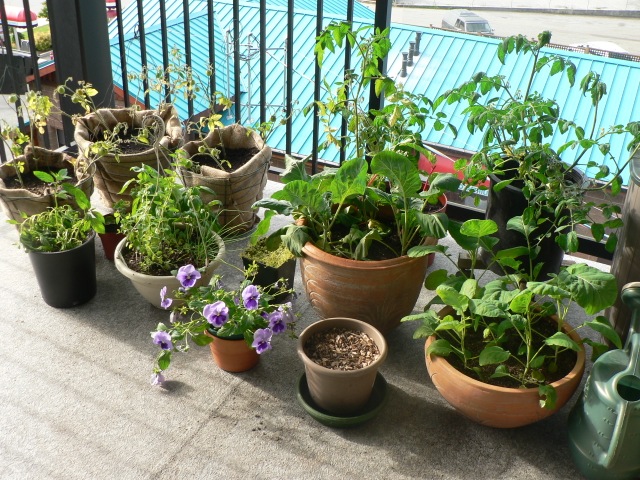 Container watering and fertilizing are very important as soil in containers dries out quicker than soil in the ground.


